
Leaky faucets or overflowing drains can quickly turn an ordinary day for Sacramento homeowners into a stressful ordeal. Facing plumbing emergencies often means urgently searching for a service that offers not only technical skill but genuinely values customer care. When your property and peace of mind are at stake, choosing a plumber known for professional, trustworthy, and responsive service is essential. Discover how top plumbing professionals build confidence through clear communication, trusted solutions, and rapid emergency repairs.
Table of Contents
- Customer Service In Plumbing Defined
- Types Of Plumbing Customer Interactions
- Emergency Services And Timely Response
- Communication, Transparency, And Trust
- Costs, Risks, And Reputation Impact
Key Takeaways
| Point | Details |
|---|---|
| Importance of Customer Service | Effective customer service in plumbing goes beyond repairs, focusing on trust-building and long-term relationships with clients. |
| Emergency Response | Rapid response and clear communication during plumbing emergencies are crucial to minimizing damage and ensuring customer reassurance. |
| Trust and Transparency | Building trust involves clear communication, transparent pricing, and follow-ups that make customers feel valued and informed. |
| Service Quality Impact | Exceptional customer service leads to positive referrals and a strong reputation, while poor service results in financial losses and damaged trust. |
Customer Service in Plumbing Defined
Customer service in plumbing represents far more than simply repairing pipes and fixing leaks. At its core, it involves creating a comprehensive, professional experience that builds trust and delivers exceptional value to homeowners. Professional customer interactions are foundational to success in the plumbing industry, transforming routine maintenance into meaningful client relationships.
Effective customer service in plumbing requires multiple critical components. These include clear communication about diagnostic findings, transparent pricing structures, timely responses to service requests, and demonstrating technical expertise with empathy. Skilled plumbing professionals understand that clients are often stressed during plumbing emergencies, so maintaining a calm, reassuring demeanor becomes just as important as technical skill.
The most successful plumbing customer service strategies prioritize reliability, professionalism, and proactive problem solving. This means not just resolving immediate issues, but educating clients about potential future maintenance needs, offering preventative recommendations, and creating an environment where customers feel genuinely supported. By focusing on building long term trust rather than treating each interaction as a transactional experience, plumbing professionals can differentiate themselves in a competitive market.
Pro tip: Always document service details and follow up with clients within 48 hours to ensure complete satisfaction and demonstrate your commitment to exceptional customer care.
Types of Plumbing Customer Interactions
Plumbing customer interactions encompass a diverse range of professional engagements that extend far beyond simple repair work. Customer communication channels are complex and multifaceted, requiring plumbers to adapt their approach based on specific client needs and service contexts. These interactions can be broadly categorized into several key types: inquiry and consultation, routine maintenance, emergency repairs, system installations, and follow-up support.
The spectrum of plumbing interactions includes specialized services addressing different residential and commercial system requirements. Plumbing system interactions typically involve managing potable water systems, drainage networks, wastewater management, stormwater drainage, and complex specialized systems like gas and radiant heating installations. Each interaction demands a unique combination of technical expertise, communication skills, and customer-focused problem solving.
Emergency plumbing interactions represent a particularly critical category of customer service. These high-stress scenarios require rapid response times, clear communication, and the ability to quickly diagnose and resolve potentially catastrophic issues. Skilled plumbing professionals understand that during emergencies, customers are often anxious and need not just technical solutions, but also emotional reassurance and professional guidance through challenging situations.
Pro tip: Develop a standardized communication protocol for different types of plumbing interactions to ensure consistent, professional customer experiences across all service scenarios.
Here’s a comparison of common types of plumbing customer interactions and their main focus areas:
| Interaction Type | Primary Client Concern | Key Service Focus |
|---|---|---|
| Inquiry & Consultation | Information & options | Clear advice, expectations |
| Routine Maintenance | Preventive care | Reliability, education |
| Emergency Repairs | Immediate resolution | Speed, reassurance |
| System Installations | Long-term function | Precision, follow-up |
| Follow-up Support | Lasting satisfaction | Responsiveness, trust |
Emergency Services and Timely Response
Rapid emergency response represents the critical frontline of professional plumbing customer service. When water-related disasters strike, every minute counts in preventing extensive property damage and potential health risks. Emergency plumbing services operate on a principle of immediate intervention, understanding that quick action can mean the difference between a minor repair and a catastrophic home restoration project.
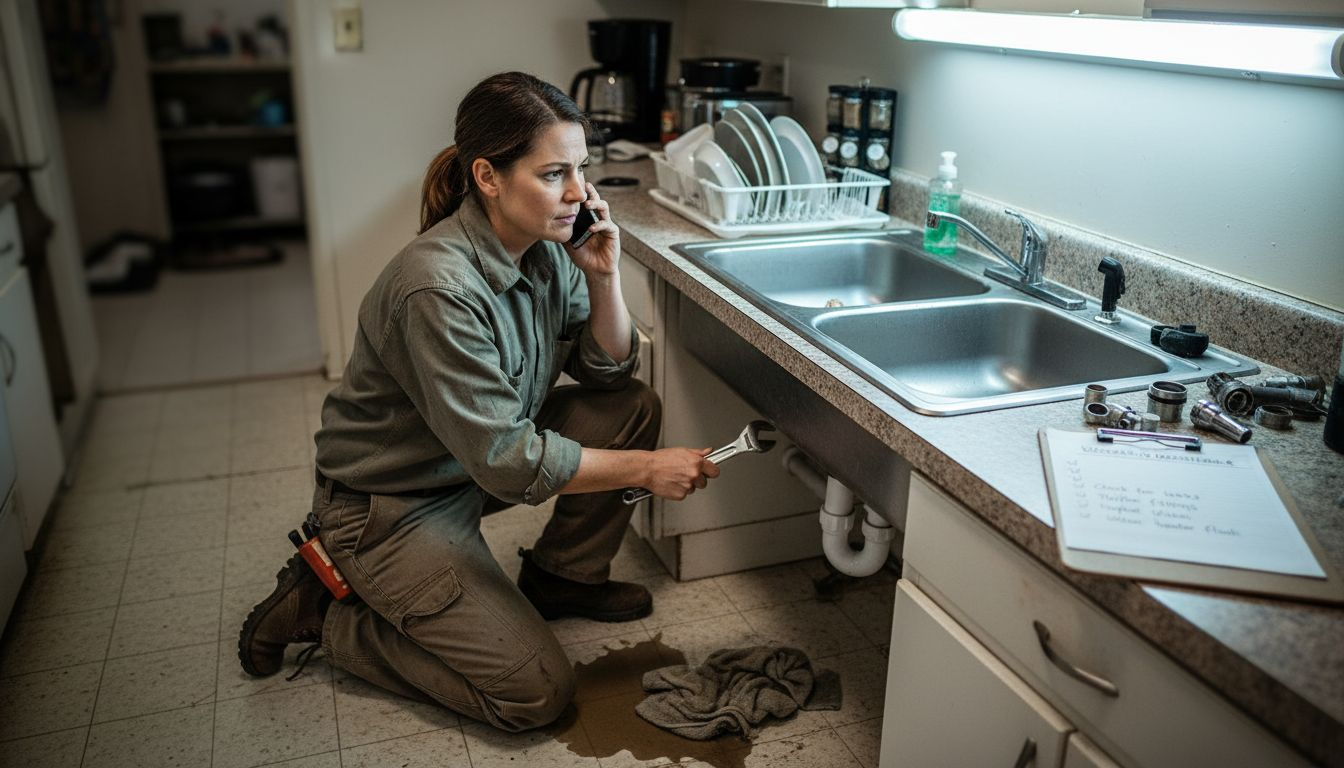
The most significant challenges in emergency plumbing scenarios involve multiple complex factors. Burst pipes, sewage backups, and sudden water heater failures demand not just technical expertise, but also a strategic approach to damage mitigation. Crisis intervention strategies require plumbers to rapidly diagnose issues, implement immediate containment measures, and execute precise repair techniques that minimize long-term structural and environmental damage.
Professional emergency plumbing teams must be equipped with specialized tools, advanced diagnostic equipment, and comprehensive training to handle high-pressure situations. Their responsibilities extend beyond simple repairs, encompassing a holistic approach to customer safety, property protection, and stress reduction. Effective emergency services combine technical skill, psychological support, and a systematic approach to resolving critical plumbing challenges quickly and efficiently.
Pro tip: Create a digital emergency contact list with your plumber’s 24/7 contact information and keep it easily accessible near your home’s main water shutoff valve.
Communication, Transparency, and Trust
Building customer trust represents the foundational cornerstone of exceptional plumbing customer service. Trust is not simply earned through technical competence, but through consistent, clear, and honest communication that demonstrates genuine care and professionalism. Successful plumbing professionals understand that every interaction is an opportunity to establish credibility, showing clients that their concerns are heard, valued, and will be addressed with the utmost diligence and transparency.
The mechanics of trust-building in plumbing services involve multiple strategic communication approaches. This includes setting clear expectations about service costs, providing detailed explanations of diagnostic findings, outlining proposed repair strategies, and maintaining open lines of communication throughout the entire service process. Clients want to feel informed and empowered, not overwhelmed or confused by technical jargon or unexpected complications. Transparent pricing, realistic timelines, and proactive updates transform a potentially stressful service experience into a collaborative problem-solving interaction.
Professional plumbing teams recognize that communication extends beyond the immediate service interaction. Following up after completing a job, soliciting feedback, and demonstrating a commitment to long-term client satisfaction are critical elements of building lasting trust. This approach transforms transactional service encounters into relationship-driven experiences where customers feel genuinely supported and respected. By consistently delivering on promises, explaining complex technical details in accessible language, and showing genuine interest in client needs, plumbing professionals can differentiate themselves in a competitive marketplace.
Pro tip: Create a standardized communication checklist that ensures every client interaction includes clear explanations, transparent pricing, and follow-up contact.
Costs, Risks, and Reputation Impact
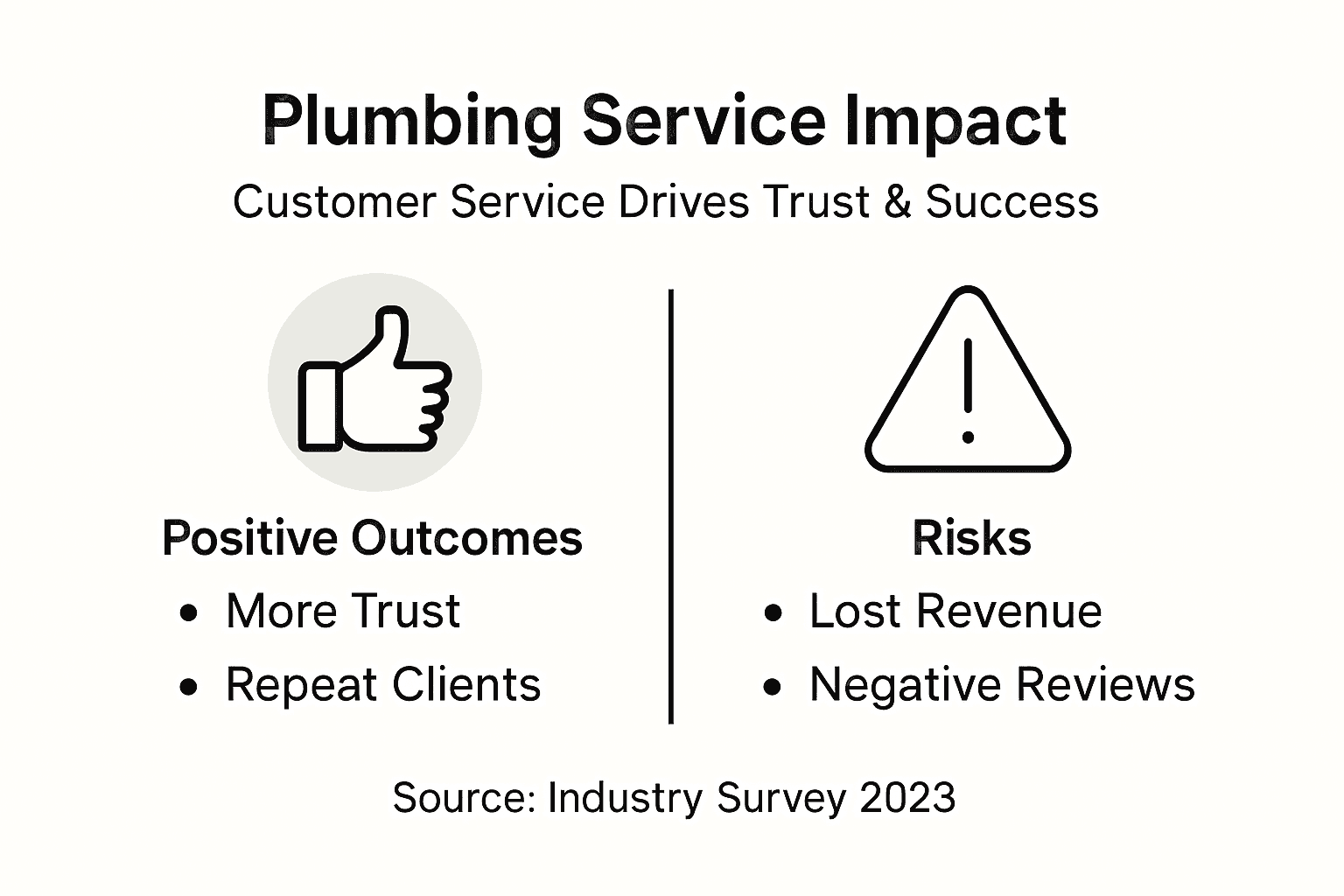
Customer service impact represents a complex ecosystem of financial, operational, and reputational consequences for plumbing businesses. Each client interaction carries potential risks that extend far beyond the immediate repair, influencing long-term business sustainability and market perception. Poor service can trigger a cascade of negative outcomes, including financial losses, diminished client trust, and significant reputation damage.
The financial implications of customer service quality are profound and multifaceted. Negative experiences can result in increased operational costs through repeat service calls, damage claims, and costly reputation management efforts. Online reputation management becomes critical, as a single negative review can potentially deter multiple prospective clients. Conversely, exceptional service creates a virtuous cycle of positive referrals, reduced customer acquisition costs, and enhanced market credibility.
Risk mitigation in plumbing services requires a holistic approach that integrates transparent communication, professional conduct, and proactive problem solving. Companies must develop robust systems to track and address potential service failures, implement comprehensive training programs, and create clear protocols for handling customer concerns. This strategic approach transforms potential risks into opportunities for demonstrating professional excellence and building long-term client relationships.
Pro tip: Develop a comprehensive customer feedback tracking system that captures and analyzes service interactions to continuously improve performance and mitigate potential risks.
The following table summarizes how good and poor customer service in plumbing impacts business outcomes:
| Service Quality | Financial Impact | Reputation Outcome |
|---|---|---|
| Excellent Service | Fewer repeat calls, more referrals | Positive reviews, loyal clients |
| Poor Service | Higher costs, lost clients | Negative reviews, lost trust |
Experience Plumbing Customer Service That Truly Cares
The article highlights the crucial role of clear communication, rapid emergency response, and building lasting trust in plumbing services. We understand how stressful plumbing problems can be especially during urgent situations or maintenance decisions. At Legacy Plumbing & Drain Inc, we share your goal of reliable and transparent service that puts your peace of mind first. Our team is trained to provide empathetic support while delivering expert technical solutions, ensuring you never face plumbing challenges alone.
Why choose Legacy Plumbing & Drain Inc?
- 24/7 emergency plumbing services that respond quickly when you need it most
- Transparent pricing and clear explanations so you know exactly what to expect
- Follow-up support that guarantees your satisfaction and long-term system health
Discover how we combine professionalism with care to meet your needs every step of the way.
Don’t wait until a minor leak becomes a costly disaster. Visit Legacy Plumbing & Drain Inc now to schedule your service or emergency response. Protect your home with trusted plumbing experts who prioritize your comfort and satisfaction above all.
Frequently Asked Questions
What is the importance of customer service in plumbing?
Customer service in plumbing is vital because it builds trust, enhances client relationships, and ensures that customers feel supported during stressful situations. Effective communication, transparency, and professionalism contribute significantly to customer satisfaction and long-term loyalty.
How can plumbers improve their customer service skills?
Plumbers can enhance their customer service skills by focusing on clear communication, presenting transparent pricing, and demonstrating empathy during interactions. Following up with clients after service and educating them about maintenance can also strengthen relationships.
What should be included in an emergency plumbing service response?
An effective emergency plumbing service response should include rapid diagnosis of the issue, immediate containment measures, clear communication with the customer, and quick resolution of the problem to prevent further damage and alleviate customer stress.
Why is transparency important in plumbing customer service?
Transparency is crucial in plumbing customer service because it fosters trust. Clients appreciate clear explanations regarding service costs, diagnostic findings, and proposed repairs. Being upfront about potential issues can help customers feel informed and empowered, enhancing their overall experience.
Recommended
- Regular Plumbing Maintenance In Sacramento: Prevent Leaks & Emergencies | Legacy Plumbing & Drain
- 24/7 Plumber Near Me | Emergency 24 Hour Plumbing Service Sacramento, CA
- 24-Hour Plumber In Sacramento | Legacy Plumbing And Drain
- Roseville & Rocklin Emergency Plumbers | 24/7 Repairs Available
- Plumbing Services – FullyOps