Plumbing emergencies rarely wait for a convenient moment, and unfamiliar terminology can quickly add stress for Sacramento and Roseville homeowners. When a technician mentions a main line or trap, knowing their meaning helps you respond with confidence instead of confusion. Mastering essential plumbing vocabulary puts you in control, helping you make smart choices during urgent repairs and communicate clearly with trusted professionals.
Table of Contents
- Defining Plumbing Terminology For Homeowners
- Residential Plumbing Systems And Components
- Essential Fixture And Pipe Terms Explained
- Plumbing Safety Devices And Codes
- Common Misunderstandings And Costly Mistakes
Key Takeaways
| Point | Details |
|---|---|
| Understanding Key Terms | Familiarizing yourself with essential plumbing terminology can enhance communication with professionals and facilitate effective problem-solving. |
| Recognizing System Components | Knowing the main components of residential plumbing systems helps in identifying issues and performing basic maintenance. |
| Safety and Compliance | Familiarity with plumbing safety devices and codes is crucial for protecting your home’s water infrastructure and health. |
| Avoiding Common Mistakes | Being aware of common plumbing misconceptions can prevent costly errors and emergency situations for homeowners. |
Defining Plumbing Terminology for Homeowners
Understanding plumbing terminology transforms homeowners from confused spectators into confident participants in their home’s water system maintenance. While technical language might seem overwhelming, mastering key terms can save you significant time, money, and frustration during plumbing emergencies.
Plumbing professionals use specific terminology that helps precisely describe system components, potential issues, and repair strategies. Essential plumbing vocabulary enables more effective communication between homeowners and technicians, ensuring accurate problem diagnosis and efficient solutions.
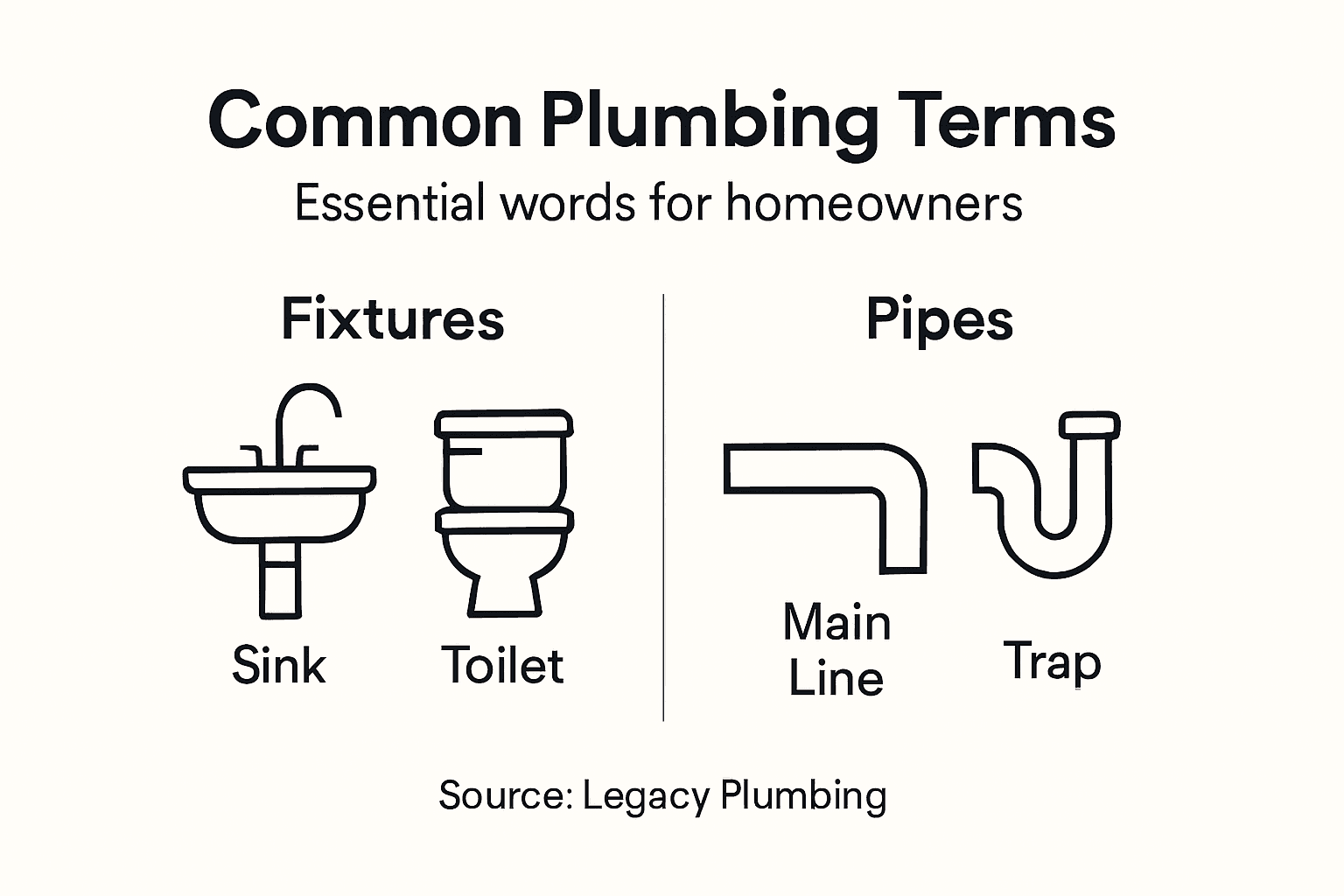
Here are fundamental plumbing terms every Sacramento homeowner should know:
- Fixtures: Water-using appliances like sinks, toilets, and showers
- Fittings: Connectors that join pipes and direct water flow
- Main Line: Primary water supply pipe entering your home
- Trap: Curved pipe section preventing sewer gases from entering living spaces
- Pressure Valve: Device regulating water pressure in pipes
Knowing these terms helps you understand system layouts, troubleshoot potential problems, and communicate more effectively with plumbing professionals. When a technician mentions a specific component, you’ll comprehend exactly what they’re describing.
Understanding plumbing terminology is like learning a new language – it empowers you to make informed decisions about your home’s water infrastructure.
Pro tip: Keep a digital or physical glossary of plumbing terms handy during service calls to help you ask informed questions and understand technical explanations.
Residential Plumbing Systems and Components
Residential plumbing systems are complex networks of pipes, fixtures, and appliances that work together to deliver clean water and remove waste from your home. Core residential plumbing components form an intricate system essential for modern living, ensuring safe water distribution and efficient waste management.
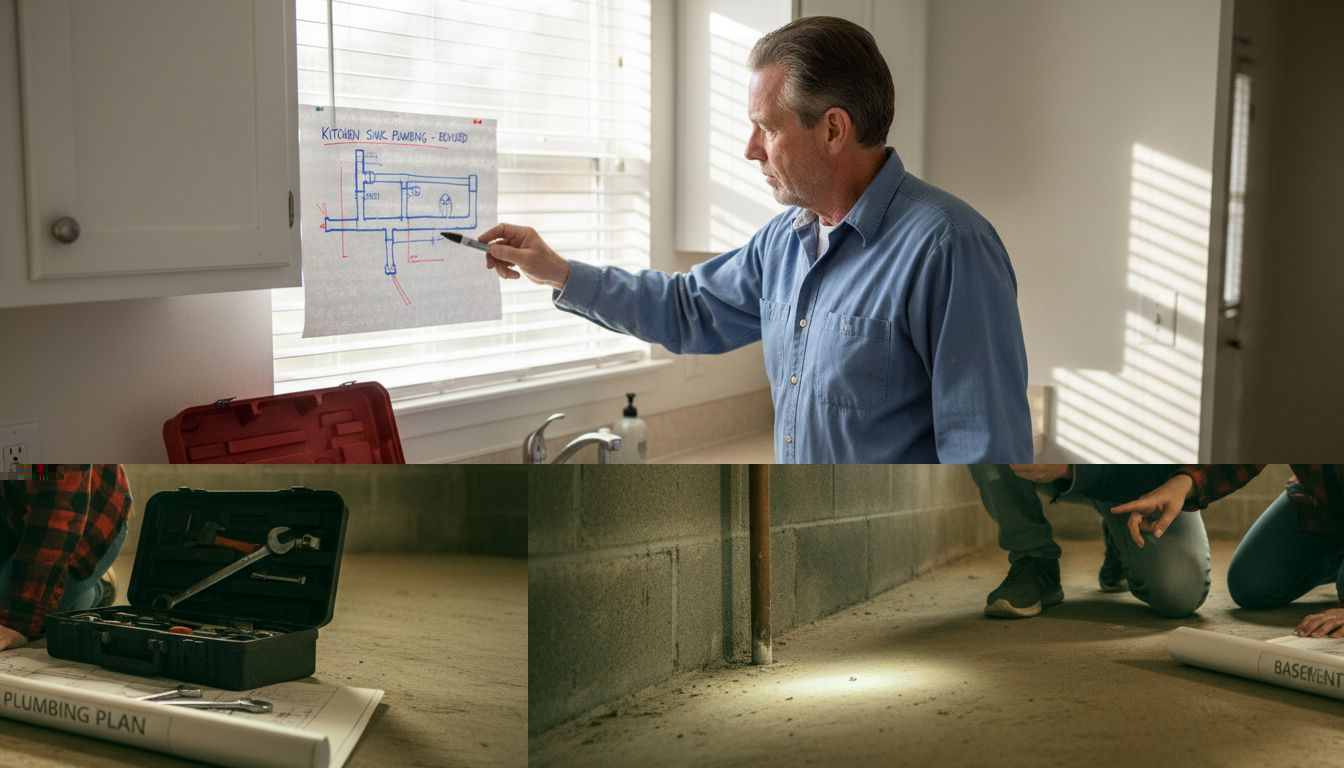
The primary residential plumbing system consists of two main subsystems: the water supply system and the drainage system. The water supply system brings fresh water into your home under pressure, while the drainage system removes wastewater and sewage. These interconnected networks require precise engineering to maintain health, safety, and comfort.
Key components of a residential plumbing system include:
- Water Supply Lines: Pipes that transport fresh water from municipal sources or wells
- Drain-Waste-Vent (DWV) System: Network of pipes that removes wastewater and prevents sewer gases from entering living spaces
- Fixtures: Sinks, toilets, showers, and appliances that connect to water supply and drainage systems
- Valves: Mechanical devices controlling water flow and pressure
- Water Heater: Equipment that heats and stores hot water for household use
Understanding these components helps homeowners identify potential issues, perform basic maintenance, and communicate effectively with plumbing professionals. Each element plays a crucial role in maintaining a safe and functional water system.
A well-designed residential plumbing system is like the circulatory system of your home – quietly working to keep everything running smoothly.
Pro tip: Conduct a visual inspection of your home’s plumbing components annually to catch potential issues before they become costly emergencies.
Essential Fixture and Pipe Terms Explained
Understanding plumbing fixtures and pipe terminology is crucial for homeowners seeking to navigate their home’s water infrastructure effectively. Essential plumbing fixture definitions help demystify the complex network of components that ensure water flows smoothly and efficiently throughout your home.
Plumbing fixtures are the visible endpoints of your home’s water system, while pipes and associated components form the critical infrastructure that supports their function. These interconnected elements work together to deliver fresh water and remove waste, making knowledge of their specific terminology essential for basic maintenance and communication with professional plumbers.
Key plumbing fixtures and components to understand include:
- Fixtures: Water-consuming appliances like sinks, toilets, and showers
- Faucets: Devices controlling water flow from pipes into sinks or tubs
- Traps: Curved pipe sections preventing sewer gases from entering living spaces
- Aerators: Small screens at faucet ends that control water stream and reduce consumption
- Valves: Mechanical devices that regulate or stop water flow
Pipe-related terminology is equally important for understanding your home’s water system. Different pipe materials and connection types serve specific purposes, from transporting fresh water to managing waste and ventilation.
Here’s a comparison of common plumbing materials and their best uses:
| Pipe Material | Typical Home Use | Key Advantage |
|---|---|---|
| Copper | Water supply lines | Long lifespan, corrosion resistant |
| PVC | Drainage pipes | Lightweight, easy to install |
| PEX | Water distribution | Flexible, withstands freezing |
| Galvanized | Older supply lines | Durable, but prone to corrosion |
| ABS | Waste removal | Cost-effective, high impact strength |
Knowing your home’s plumbing terminology is like learning a second language – it empowers you to understand and maintain your water infrastructure.
Pro tip: Create a simple diagram of your home’s plumbing system, labeling key fixtures and components to improve your understanding and communicate more effectively with plumbers.
Plumbing Safety Devices and Codes
Plumbing safety is a critical aspect of home maintenance that goes far beyond simple water management. National plumbing safety standards establish comprehensive guidelines designed to protect homeowners from potential health hazards and system failures.
The complexity of modern plumbing systems requires strict adherence to safety protocols and specialized devices that prevent contamination, manage water pressure, and ensure overall system integrity. These safety mechanisms are not optional add-ons, but essential components that protect your home’s water supply and your family’s health.
Key plumbing safety devices and code requirements include:
- Backflow Preventers: Devices that stop contaminated water from flowing back into clean water supply
- Temperature and Pressure Relief Valves: Mechanisms that prevent water heaters from exploding due to excessive pressure
- Air Admittance Valves: Components that allow air into drainage systems to prevent vacuum effects
- Water Hammer Arrestors: Devices that absorb sudden water pressure changes and prevent pipe damage
- Pressure Reducing Valves: Equipment that manages water pressure entering your home
Understanding these safety devices helps homeowners make informed decisions about their plumbing infrastructure and recognize potential risks before they become serious problems.
Below is a summary of how plumbing safety devices protect your home:
| Device | Protection Provided | Typical Location |
|---|---|---|
| Backflow Preventer | Blocks reverse water flow | Main water line |
| Pressure Relief Valve | Prevents burst from high pressure | Water heater |
| Air Admittance Valve | Stops drain vacuum | Drainage system |
| Water Hammer Arrestor | Prevents pipe banging noises | Near fast-closing valves |
| Pressure Reducing Valve | Lowers incoming water pressure | Main supply entry point |
Plumbing safety is not just about preventing leaks – it’s about protecting your home’s entire water ecosystem.
Pro tip: Schedule an annual plumbing safety inspection to identify and address potential code compliance issues before they become costly emergencies.
Common Misunderstandings and Costly Mistakes
Homeowners often underestimate the complexity of plumbing systems, leading to expensive and potentially dangerous mistakes. Common residential plumbing misconceptions can result in significant damage and costly repairs if not addressed properly.
Misunderstandings about plumbing terminology and system components frequently cause homeowners to make critical errors that compromise their home’s water infrastructure. These mistakes range from simple misidentifications to complex installation and maintenance issues that can lead to long-term structural damage and unexpected expenses.
Most common plumbing misconceptions include:
- DIY Repairs: Believing all plumbing issues can be fixed without professional expertise
- Pipe Material Confusion: Incorrectly assuming all pipes are interchangeable
- Drainage Myths: Misunderstanding what can and cannot be safely disposed of in drains
- Fixture Replacement: Attempting to replace fixtures without understanding compatibility
- Pressure Misconceptions: Failing to recognize signs of water pressure problems
These misconceptions can lead to serious consequences, including water damage, contamination risks, and expensive system failures that could have been prevented with proper knowledge and professional guidance.
Not all plumbing problems are visible – sometimes the most dangerous issues are the ones you cannot see.
Pro tip: When in doubt about a plumbing issue, consult a professional rather than attempting complex repairs that could cause more damage.
Master Your Plumbing Knowledge with Expert Help from Legacy Plumbing & Drain Inc
Understanding common plumbing terminology is the first step toward gaining control over your home’s water system. From fixtures and traps to backflow preventers and pressure valves, these terms matter because they help you avoid costly mistakes and communicate clearly with professionals when problems arise. Don’t let confusing jargon leave you feeling overwhelmed or vulnerable to hidden plumbing risks.
Get peace of mind today by partnering with Sacramento’s trusted emergency plumbers at Legacy Plumbing & Drain Inc. Whether you need help identifying plumbing issues, upgrading safety devices, or handling urgent repairs, our skilled technicians are ready 24/7 to deliver reliable, high-quality service. Understand your home’s plumbing better and take control of your comfort with our expert guidance and comprehensive solutions. Start by exploring our full range of plumbing services and experience the difference informed care makes.
Frequently Asked Questions
What are the basic plumbing terms homeowners should know?
Homeowners should familiarize themselves with terms such as fixtures, fittings, main line, trap, and pressure valve to better understand their plumbing systems.
Why is it important to understand plumbing terminology?
Understanding plumbing terminology empowers homeowners to diagnose issues, communicate effectively with professionals, and make informed decisions about maintenance and repairs.
What components make up a residential plumbing system?
A residential plumbing system typically consists of water supply lines, a Drain-Waste-Vent (DWV) system, fixtures, valves, and a water heater, all working together to deliver water and remove waste.
How can I ensure the safety of my plumbing system?
To ensure your plumbing system’s safety, familiarize yourself with critical safety devices such as backflow preventers, temperature and pressure relief valves, and pressure reducing valves, and schedule annual inspections to address compliance and maintenance needs.
Recommended
- Essential Plumbing Terms For Homeowners Near You – Legacy Plumbing & Drain – Emergency Plumbers Of Sacramento
- Bathroom Plumbing Explained: Protecting Sacramento Homes – Legacy Plumbing & Drain – Emergency Plumbers Of Sacramento
- 10 Common Plumbing Terms Every Homeowner Should Know – Legacy Plumbing & Drain – Emergency Plumbers Of Sacramento
- Residential Plumbing Explained: Safe Home Water Systems – Legacy Plumbing & Drain – Emergency Plumbers Of Sacramento
- Affordable Plumber in San Antonio | Book Your Free Estimates